Vape Culture: Examining the Emergence of Vaping in Contemporary Society
Vape culture has risen as a notable movement among young adults, fueled by the pursuit of healthier choices and a wide range of flavor varieties. Social platforms magnify this phenomenon, portraying vaping as a mainstream and accepted lifestyle. Nevertheless, the health-related consequences continue to be disputed, prompting serious questions regarding its safety. As vaping establishments transform into social gathering spaces, the characteristics of this movement remain in constant flux. What does the future hold for this expanding trend?
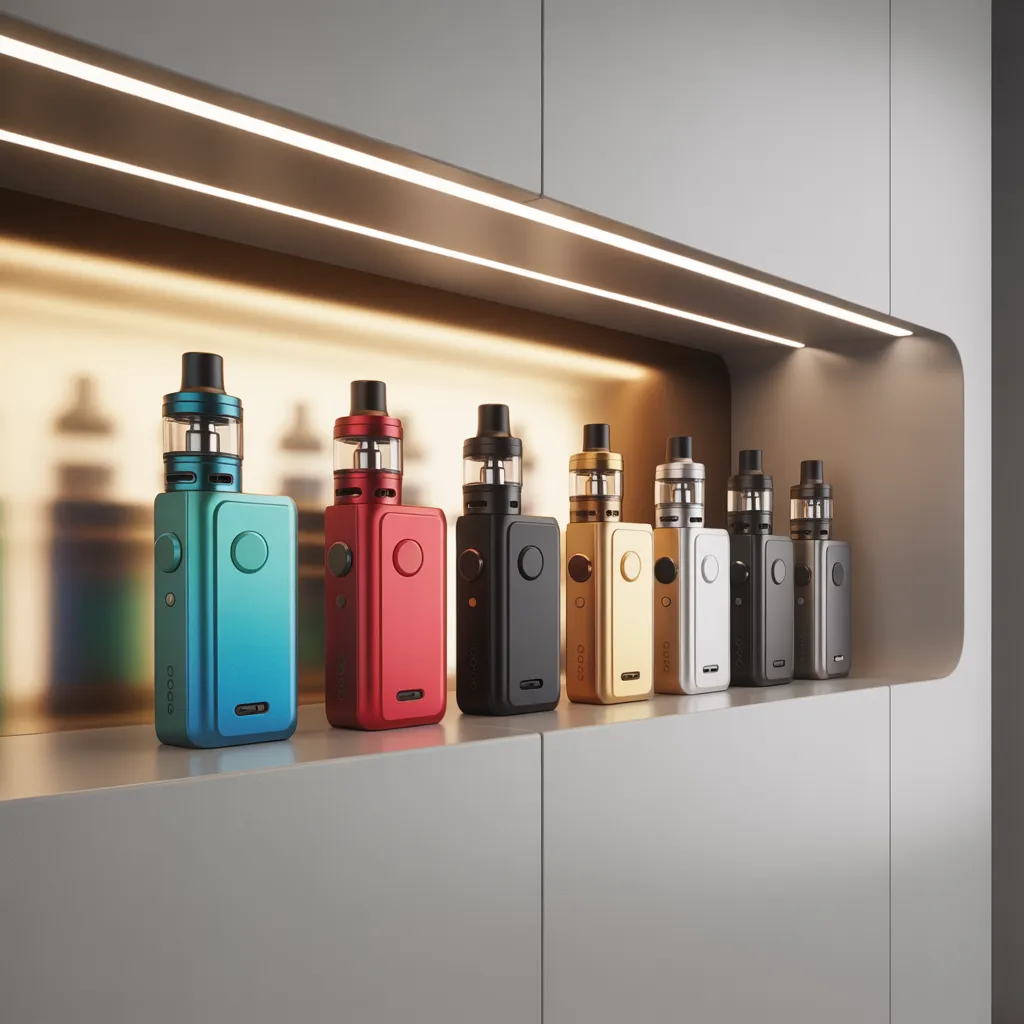
Why Are People Switching to Vaping?
As knowledge of the health hazards connected to traditional cigarette use expands, many individuals are opting for vaping as a perceived safer alternative. This shift is driven by a combination of factors, such as the attractiveness of diverse flavors and adjustable features that vaping products offer. Numerous users value the wide range of flavors, spanning from fruity to dessert-themed options, which make the experience far more pleasant than traditional tobacco. Additionally, vaping is often viewed as a more socially acceptable practice, particularly among younger demographics. The technology behind vaping devices also allows for a level of control over nicotine intake, appealing to those looking to reduce consumption gradually. Moreover, the perception that vaping is less intrusive and has fewer lingering odors than smoking contributes to its rising popularity. As a consequence, a broad spectrum of individuals, including both former smokers and those new to nicotine use, are steadily embracing vaping as their preferred choice.
Can Vaping Be Considered Safe? The Health Controversy?
How does vaping measure up against conventional smoking in terms of safety? This inquiry has ignited substantial controversy among healthcare specialists and the general population. Although vaping is frequently promoted as a healthier option compared to smoking, the truth is far more nuanced. Electronic cigarettes generally have fewer harmful compounds than conventional cigarettes, which may potentially lower certain health hazards. Despite this, vaping remains a source of hazardous compounds entering the body, among them nicotine, which carries risks of addiction and potential cardiovascular concerns.
Recent studies have highlighted concerns about the long-term effects of the inhalation of vaporized materials, particularly since a large number of e-liquid ingredients lack sufficient research. Additionally, incidents of lung injuries associated with vaping have been reported, deepening the uncertainty about its overall safety. When all is considered, while vaping might carry fewer hazards than traditional smoking, it is far from entirely risk-free, demanding thoughtful evaluation from both users and policymakers.
Who Is Getting Into the Vaping Trend?
Who finds appeal in the vaping phenomenon? Vaping attracts a wide variety of people, spanning various age groups and backgrounds. People in their youth, notably those ranging from their late teens to early twenties, commonly explore options beyond traditional tobacco products, viewing vaping as a modern lifestyle choice. Numerous individuals are driven by the idea that vaping is a safer alternative while providing a personalized experience with diverse flavors and nicotine strengths.
Furthermore, ex-smokers transitioning to vaping represent a significant demographic. Many consider it a method to decrease nicotine use while still partaking in the act of inhaling. Curiosity further motivates certain people, as the social aspects of vaping attract those looking to connect with peers or explore new experiences. Vaping's widespread availability, along with its sense of novelty, consistently brings a diverse array of people into the vaping sphere.
How Social Media Shapes Vape Culture
In what way does social media impact the vaping community? Social media networks have grown increasingly central to the promotion and normalization of vaping among different groups. By sharing visually compelling content, influencers present vaping as a lifestyle decision, frequently highlighting its visual appeal and communal dimensions. Hashtags and challenges related to vaping create a sense of community, encouraging users to share their experiences and preferences. Additionally, platforms like Instagram and TikTok allow users to produce and disseminate tutorials, vape tricks, and product reviews, enhancing the visibility of vaping products and brands.
This continuous exchange cultivates an environment where vaping is not just a practice but a means of individual expression. The viral nature of social media accelerates tendencies, leading to swift changes in consumer preferences. Consequently, social media functions as a double-edged sword, both promoting awareness of vaping and potentially glamorizing the habit, particularly among younger audiences.
How Vaping Influences Lifestyle Choices
Vaping has emerged as a major influence on modern lifestyle decisions, affecting everything from everyday social encounters to individual identity. For many, vaping serves as a social lubricant, facilitating connections in both casual and formal settings. Engaging in vaping commonly produces a mutual experience among its users, nurturing community relationships and defining expectations around group interactions.
Moreover, vaping has reimagined personal identity for many users, distinguishing them from traditional smokers or non-smokers. The variety of flavors, devices, and brands empowers individuals to express their preferences and tastes, fostering a sense of self-expression.
In addition, perceptions about health associated with vaping have triggered behavioral changes; a number of users regard it as a better substitute for cigarettes, while others embed it within health and fitness conversations. Ultimately, vaping influences choices related to socializing, self-expression, and health, showcasing its remarkable reach across contemporary ways of living.
Vape Retailers: Community Spaces for Enthusiasts
Within the ever-changing world of vaping culture, vape shops are now recognized as important social centers for dedicated vapers. These locations operate as communal spaces where individuals can come together around their shared interest in vaping. Beyond merely selling products, vape shops often host special events, such as tastings and workshops, fostering a sense of belonging among customers.
The experienced staff consistently share useful knowledge into the newest devices and e-liquid options, enhancing the overall vaping experience. This tailored service fosters trust and loyalty among the community. Additionally, vape shops often create welcoming environments, promoting meaningful connections between customers, which can lead to friendships and support networks.
As vaping continues to important resource gain popularity, these shops play an important role in shaping a culture centered around exploration and education. By prioritizing community engagement, vape shops not only enrich individual journeys but also help establish a vibrant, interconnected vaping culture.
The Future of Vape Culture
How might vape culture develop as technological advancements and societal views continue to shift? With the progression of vaping technology, developments like smart devices and personalized options are expected to appeal to a broader demographic. Enhanced user interfaces and app integrations may facilitate personalized experiences, allowing consumers to track usage and flavor preferences. Additionally, the growing emphasis on health and wellness could reshape perceptions, leading to more acceptance of vaping as a less harmful alternative to smoking.
Regulatory developments will also be significant as authorities introduce tighter controls, manufacturers may focus on transparency and quality, fostering a more responsible industry. Social attitudes may continue to shift, with vaping merging more deeply into contemporary lifestyle, similar to craft beer or specialty coffee. Fundamentally, the evolution of vaping will be characterized by a blend of technological innovation, regulatory oversight, and evolving public perceptions, shaping a distinct identity within contemporary society.
Common Questions and Answers
What Flavors Are Most Popular Among Vapers Today?
Fruit flavors, especially mango, watermelon, and berry, lead the vaping market at present. Sweet dessert flavors, including vanilla custard and rich chocolate, also remain highly popular, drawing in those who desire rich and satisfying vaping experiences.
What Are the Average Monthly Expenses for Vaping?
Monthly vaping costs generally fall from $30 to $100, depending on consumption patterns, device selection, and e-liquid options. Consistent users could experience notable differences in spending depending on their own preferences and vaping frequency.
Are There Age Restrictions for Purchasing Vape Products?
There are indeed age restrictions when it comes to purchasing vape products. Across many areas, individuals must be at least 18 or 21 years old, depending on local laws, to legally purchase vaping devices and associated products.
Is Vaping an Effective Way to Help People Stop Smoking Completely?
Vaping may assist some individuals in quitting smoking entirely by offering a safer substitute. That said, its effectiveness varies among users, and dependence on vaping may result in ongoing nicotine addiction for some.
What Are Common Misconceptions About Vaping?
Frequent misconceptions surrounding vaping involve the assumptions that it is completely safe, that it doesn't contain harmful substances, and that it is solely a gateway to smoking. These misunderstandings can influence perceptions and behaviors surrounding vaping.